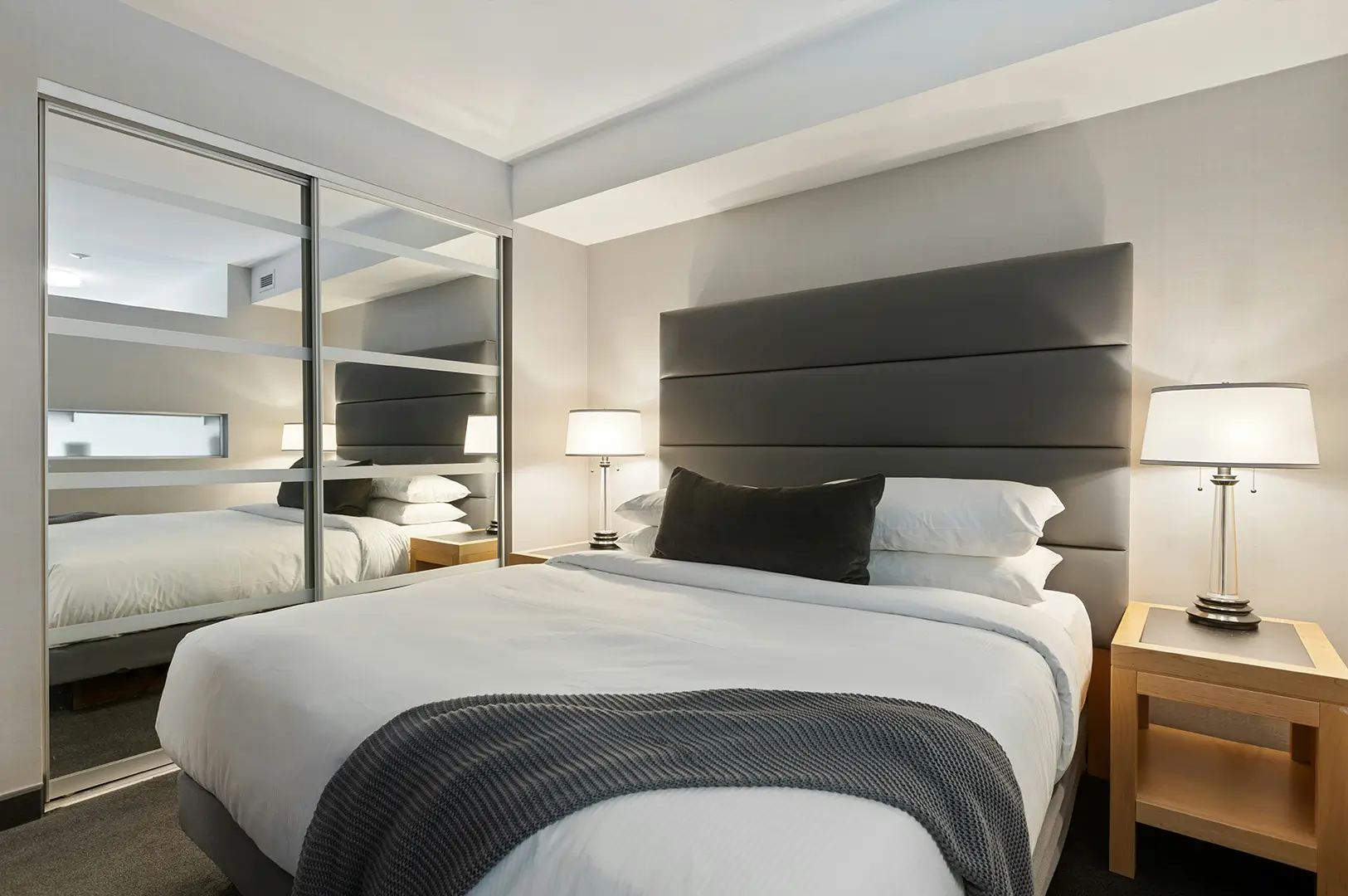
The first boutique hotel I ever booked was a narrow shophouse on a Chinatown back lane. The staircase was so steep I carried my suitcase up one step at a time. The room was about 14 square meters, and it had no window. I hadn’t checked.
That first night, I lay awake listening to the air-con hum and felt a little cheated.
The next morning, the night manager walked me two doors down to a coffee shop. He ordered me kaya toast, soft-boiled eggs and kopi, then pointed out which temple bell I’d hear at seven. The walls of that tiny room hadn’t told me much. He told me everything else.
I’ve thought about that stay often. It taught me that a boutique hotel isn’t a promise. It’s a personality, and personalities come with quirks. If you understand what you’re booking, you’ll get far more from it.
What Is a Boutique Hotel? The Boutique Hotel Definition
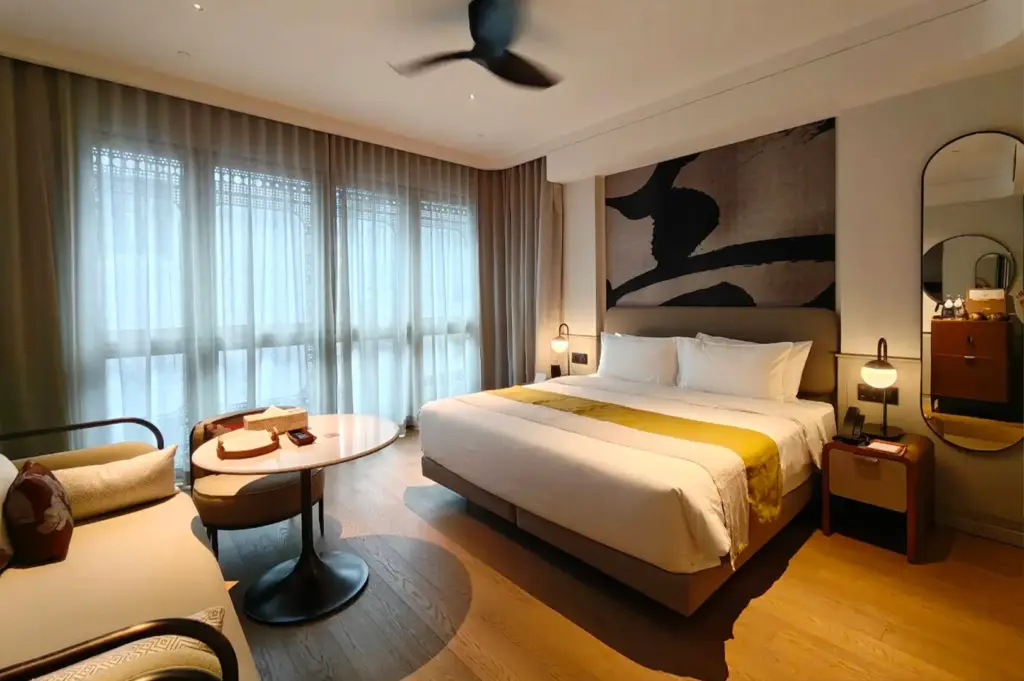
A boutique hotel is a smaller, distinctive hotel known for its individual character, thoughtful design and often more personalized approach to hospitality. Most boutique hotels express their identity through architecture, interiors, heritage or a link to the neighborhood around them.
Here’s the honest part: there is no official boutique hotel definition. In Singapore, the Singapore Tourism Board requires premises with four or more rooms operating as a hotel to hold a hotel licence. “Boutique” isn’t a separate legal category. It’s a description, and any property can use it.
You’ll often hear that boutique means fewer than 100 rooms. That’s a convention, not a rule. Some small boutique hotels have under 20 rooms. Some design-led properties have many more.
To me, the meaning of boutique hotel comes down to three things working together: identity, design and the experience you’re given. A small hotel isn’t automatically boutique. An expensive one isn’t either.
From the Clarion Bedford Hotel to Singapore’s Shophouses
The modern movement took shape in the late 1970s and 1980s. Blakes Hotel opened in London in 1978. Bill Kimpton began his hospitality business with the Clarion Bedford Hotel in San Francisco in 1981, betting on smaller, characterful properties. In 1984, Ian Schrager and Steve Rubell opened Morgans Hotel in New York, which is the hotel that’s widely credited with popularizing the concept.
In Singapore, the idea found a natural home inside conserved shophouses, old warehouses and former printing presses.
What Makes a Boutique Hotel Stand Apart from Chain Hotels?
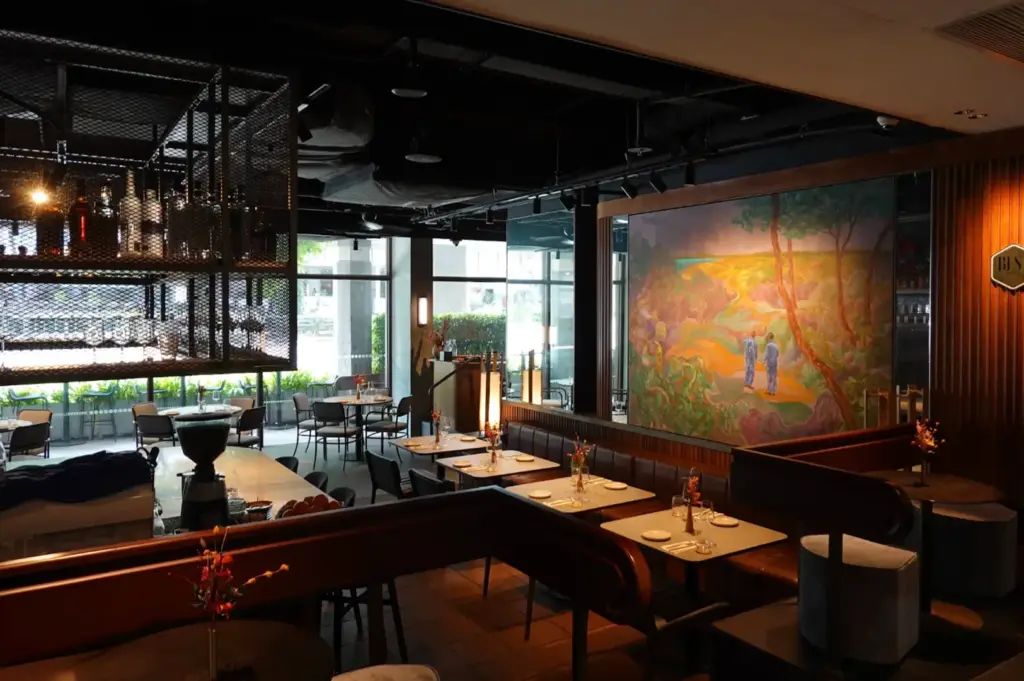
Many chain hotels are built for consistency. You know what the bathroom will look like before you open the door. That’s comforting, and I don’t dismiss it.
Boutique properties aim for something else. They want you to remember the place, not just the bed. What boutique hotels offer, at their best, is a more personalized experience—local art on the walls, furniture made by local artisans, a bar where locals gather after work.
Not every boutique hotel is independent, though. Independent ownership is common but not required. 21 Carpenter, for example, belongs to the Design Hotels portfolio and participates in Marriott Bonvoy. You can keep a one-of-a-kind identity and still sit inside a larger network.
The Difference Between a Boutique Hotel and Regular Hotels
| Factor | Boutique hotels | Regular hotels and large hotel chains |
|---|---|---|
| Design | Property-specific, unique design | Follows brand standards |
| Size | Often fewer rooms | Small to very large |
| Service | May lean toward individualized service | Usually standardized procedures |
| Amenities | Curated to the concept | Standardized amenities by category |
| Location | Often characterful neighborhoods | City centers, business districts, resorts |
| Loyalty programs | Varies | Usually available |
These are tendencies, not rules. Some larger hotels offer exceptional service. Some boutique hotels run on digital check-in and a skeleton crew.
Neither is better. Larger establishments may give you swimming pools, 24-hour room service and stronger accessibility. A boutique property may give you a more intimate atmosphere with fewer facilities. The right choice depends on your personal preferences.
Boutique Hotel Meaning in the Context of Design and Service
Good interior design goes deeper than a few vintage furniture pieces and a patterned tile. The architecture, lighting, materials and room layout should feel like they belong together.
The same applies to local culture. Colorful Peranakan motifs don’t automatically mean a hotel understands Peranakan heritage. I look for something quieter: conserved details, honest history, partnerships with the local community.
Service works the same way. Many boutique hotels aim for attentive service, and smaller teams can deliver more personalized service—remembering how you take your coffee, which neighborhood you’d like to explore, what time you need a cab. But that’s a potential strength, not a guarantee.
A Closer Look: The best boutique service I’ve had rarely looked dramatic. It was a handwritten list of nearby hawker stalls, with the stall numbers included. Hotels that go the extra mile usually do it in small, specific ways.
Real-World Examples of a Boutique Stay in Singapore
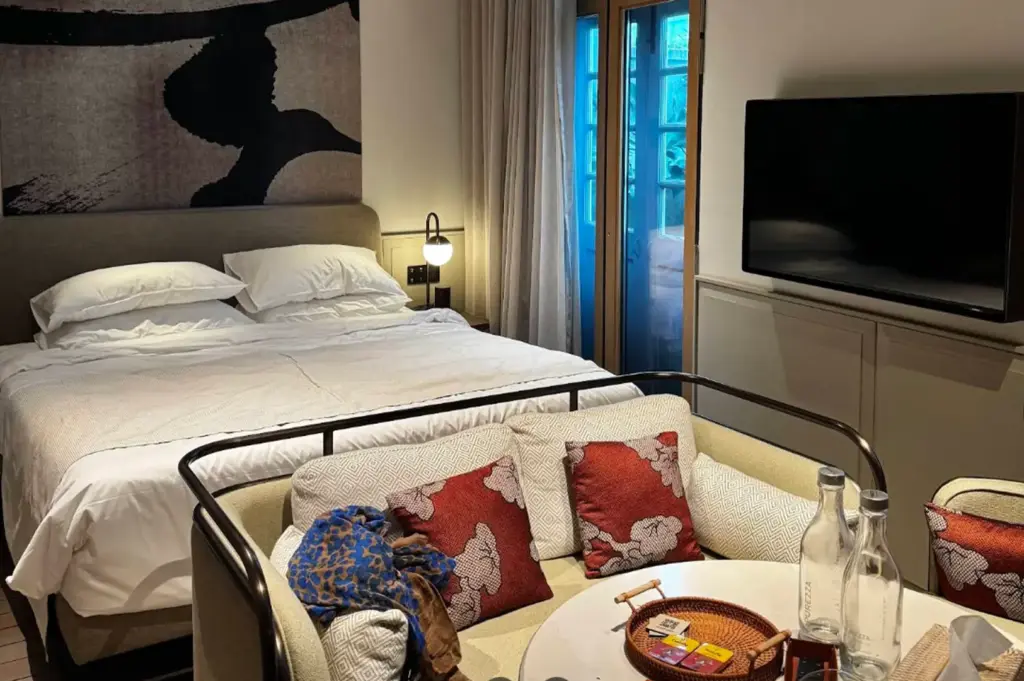
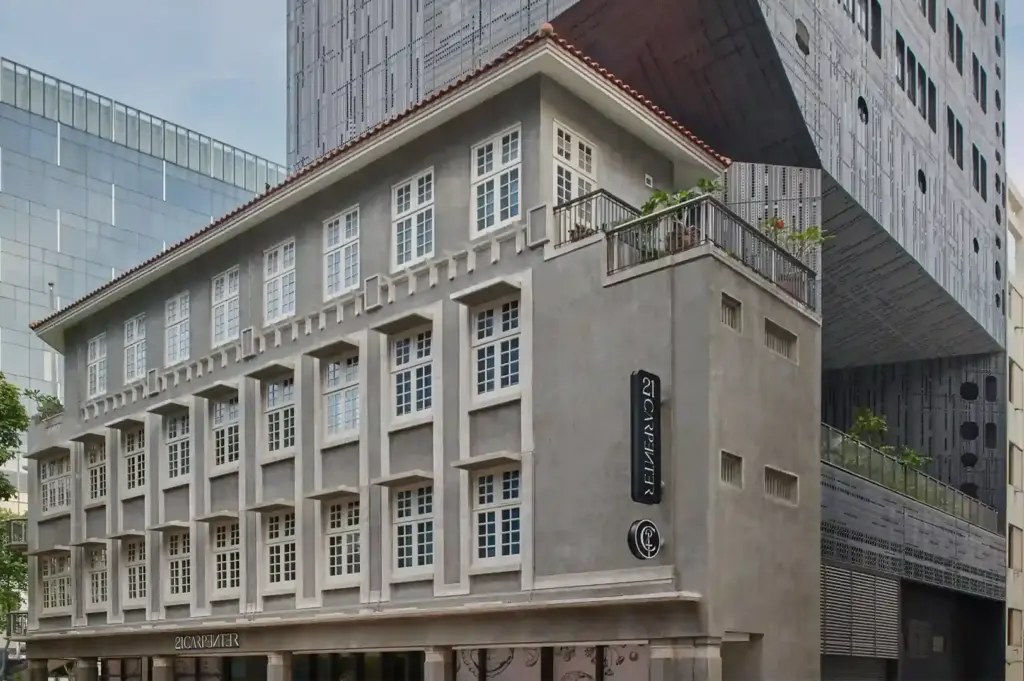
- 21 Carpenter sits in the former Chye Hua Seng Wee Kee remittance house, with history dating to 1936. WOHA led the restoration, and original Chengal timber runs through the design. There are 48 rooms and suites, and they vary in size because the building does. Studio Rooms start at around 25 square meters. The hotel also offers guests excellent concierge services and a rooftop infinity pool. It proves heritage doesn’t have to mean giving up comfort.
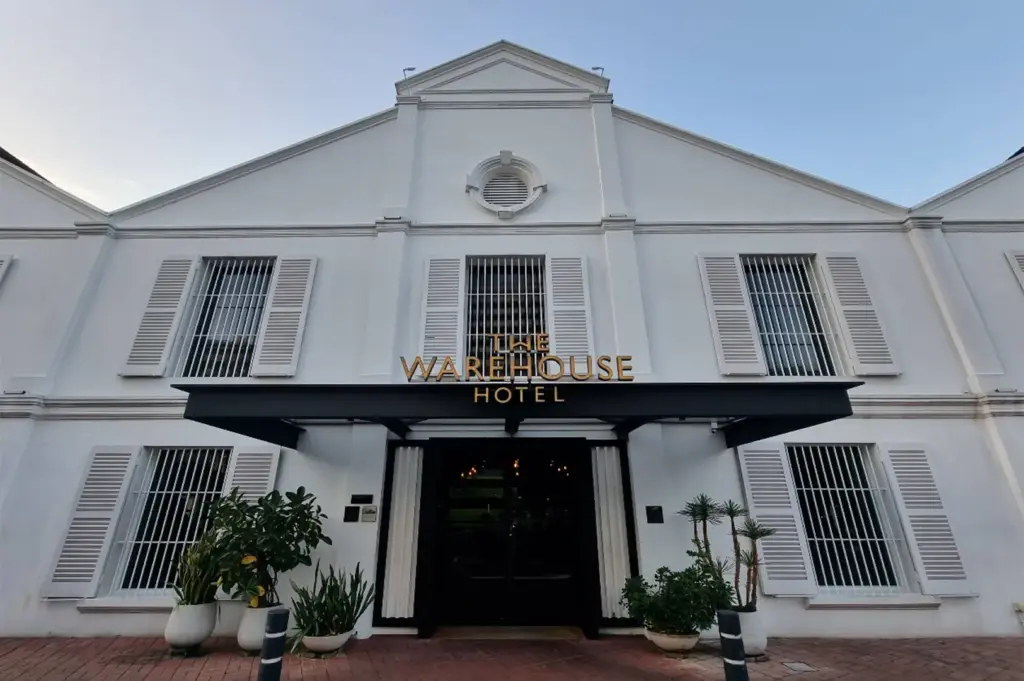
- The Warehouse Hotel at Robertson Quay opened in January 2017 inside a restored riverside warehouse. With 37 rooms, it feels intimate. What I remember most is the food: local flavors and cocktails tied to the neighborhood, served in a space that still feels like it’s holding its breath from another era. You don’t need ornate décor for character. Sometimes the bones are enough.
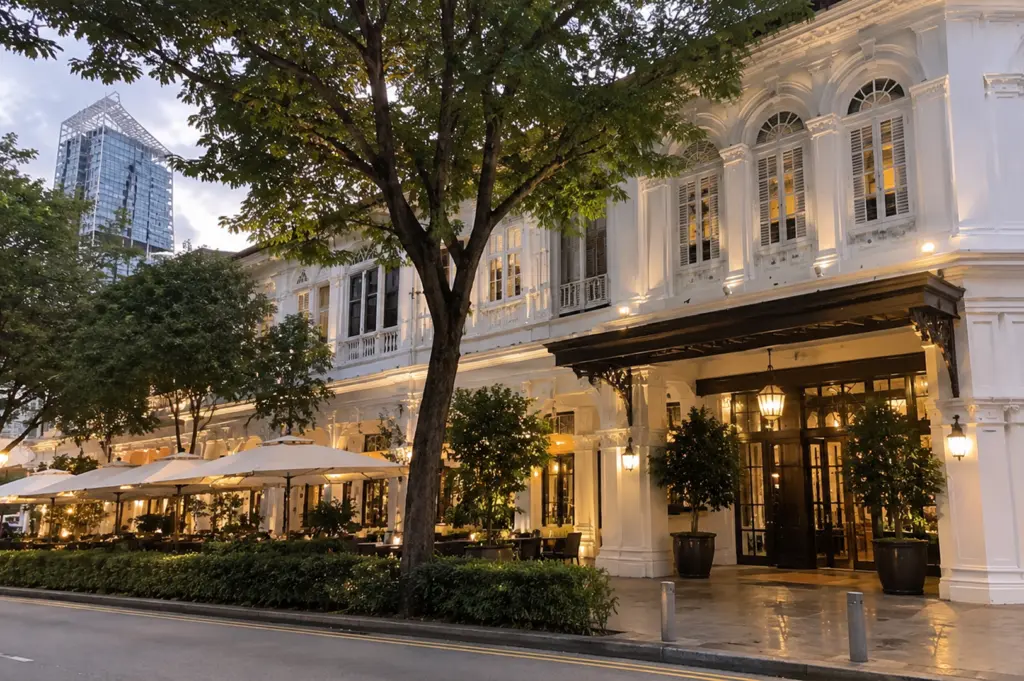
- The Sultan in Kampong Gelam was formed from a row of historic shophouses and the former Al-Ahmadiah Press building. Traditional features were restored and the original spatial character kept. Shared or compact spaces are part of the deal here—expect layouts that feel different from a purpose-built hotel. Then step outside for murtabak at Zam Zam on North Bridge Road, and you’ll understand why the street matters as much as the room.
A note on conservation: the Urban Redevelopment Authority (URA) governs how conserved buildings can be altered and used. Not every shophouse can become a hotel. URA guidance restricts new hotels in the Little India Conservation Area and parts of Chinatown. Those rules explain many of the odd room shapes you’ll find. They’re not flaws. They’re history.
How Boutique Hoteliers Create Boutique Hotel Success
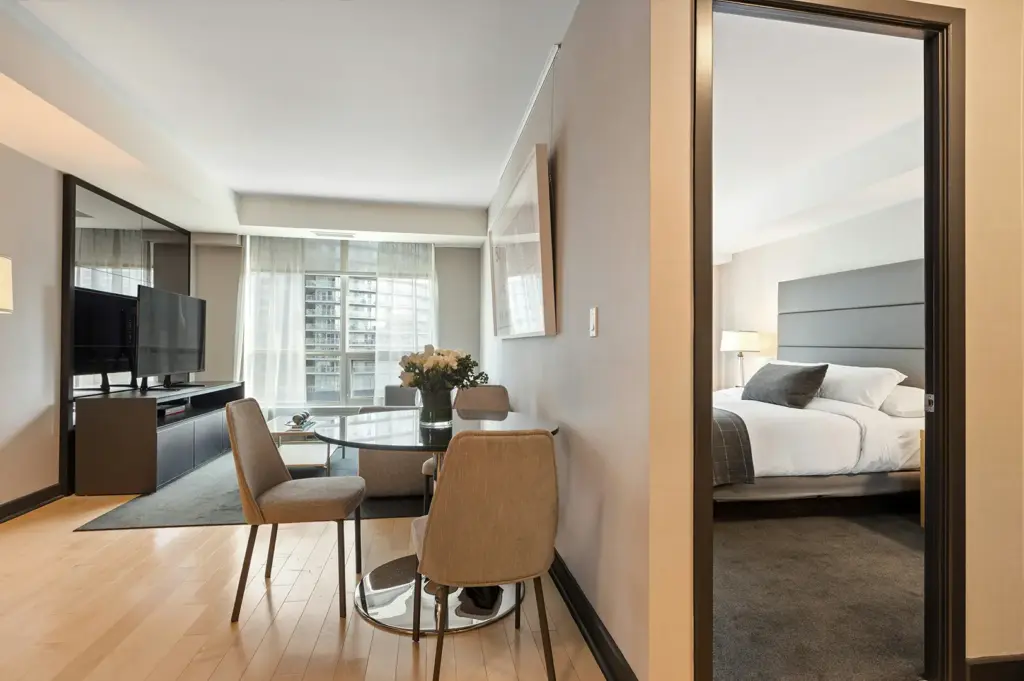
From what I’ve seen, boutique hotel success rests on balance. Here are the key features I notice in the ones I return to:
- A design identity that holds together, beyond decoration
- A believable connection to place, through food, architecture or people
- Reliable basics: clean sheets, hot water, working air-con, quiet nights
- Clear communication, even with a small team
- Unique amenities that suit the concept, not a checklist
- Photos that match reality
Boutique charm should enhance the stay, never excuse poor fundamentals.
Are Boutique Hotels Profitable? A Quick Note
They can be, but charging higher rates doesn’t guarantee it. Boutique hotel owners face high renovation costs, staffing challenges, fees from online travel agencies and competition from larger chains. A 30-room property depends on every room being filled. Heritage buildings add their own maintenance demands. In the broader hotel industry, independent hotels in particular operate on thinner margins than the big chains, which is one reason I’m patient when a small hotel can’t offer everything.
How to Choose the Right Boutique Stay for Business Travel or Leisure
Step 1: Know why you’re going. Leisure travelers chasing food and architecture may love Chinatown or Kampong Gelam. Business travelers may prefer Tanjong Pagar or the Downtown Core.
Step 2: Check the room, not the hotel. Look up the room size in square meters, window access, bed size and bathroom layout. A 15-square-meter room is fine for one person for two nights. For two people with large suitcases, it gets tight fast.
Step 3: For business travel, confirm the practical things. Reliable Wi-Fi, a proper desk, outlets near it and late check-in matter more than a pretty headboard.
Step 4: Calculate the real price. Rates vary widely. As a rough guide, budget boutique stays may run S$100–S$160 a night, mid-range S$160–S$280, upscale S$280–S$450 and luxury S$450 and above. Boutique doesn’t automatically mean expensive. Prices shift by date, so check live rates.
Before You Book: Many Singapore rates are quoted before a 10% service charge and 9% GST. A S$200 room becomes S$220 with service charge, then S$239.80 after GST. That’s a 19.9% increase, not 19%. Always compare the final payable amount.
Step 5: Book with the calendar in mind. For an ordinary trip, start looking four to eight weeks ahead. For busy periods, give it two to three months. Around the Formula 1 Singapore Grand Prix, big conventions or major concerts, book as soon as your dates are confirmed. Check the actual event dates each year.
Curated Amenities, Personalized Service and What to Watch Out For
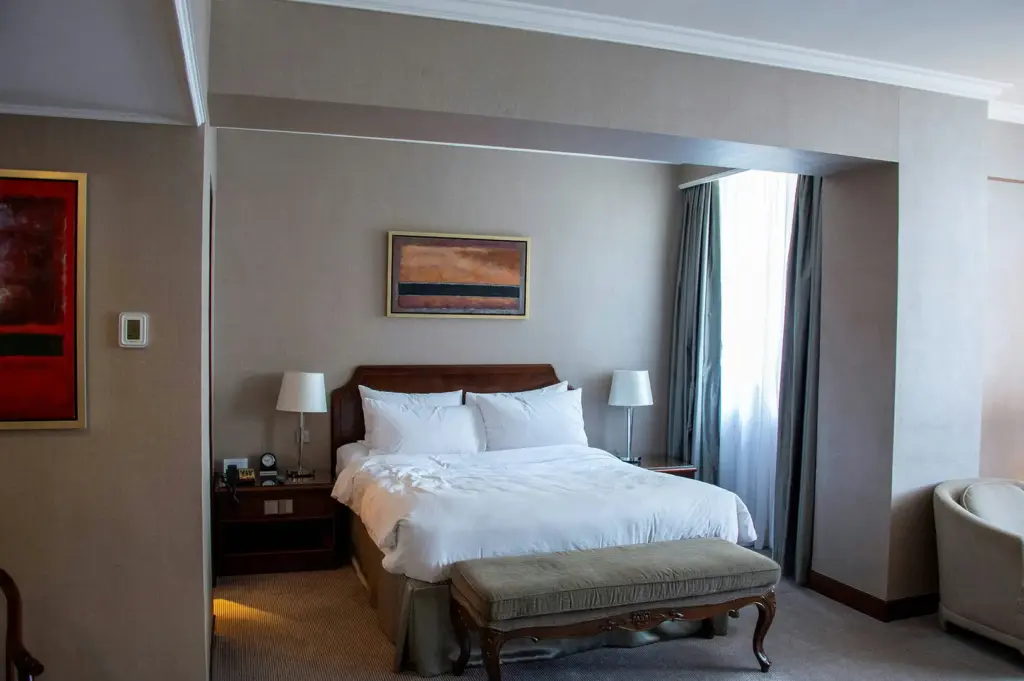
Curated amenities can be lovely: locally made toiletries, a neighborhood food map, a minibar stocked from nearby makers. But “curated” sometimes means “fewer.” Read the full amenities list, and don’t assume a boutique property will match what other hotels in the same price bracket provide.
My mistakes, so you can skip them:
- I booked from one gorgeous photo. It showed a different room category. Mine had no window.
- I ignored three reviews about street noise. Bring earplugs or ask for a back-facing room.
- I arrived at midnight without checking reception hours. I spent 40 minutes on the phone outside a locked door.
- I skimmed past air-con complaints. In Singapore’s heat, that’s never a small thing.
One bad review means little. The same complaint repeated is a pattern.
Before You Book: If you need step-free access, a quiet room or a specific bed setup, email the hotel directly before you book. Heritage properties often have rooms that differ more than any website can show.
A Quiet Closing Thought
That windowless Chinatown room still comes back to me. I’d book it differently now, and I’d check the room size first. But I’d still go.
A good boutique stay isn’t just a place to sleep. It’s a doorway into a street, a kitchen and a slice of local character you might otherwise walk past.
Ask your questions. Read the reviews closely. Then let the neighborhood do the rest.
For more thoughtful stays, explore Boutique Hospitality.
What to Know Before You Stay
Are boutique hotels always luxurious?
No. Some suit luxury seekers, while others are simple and affordable. Boutique describes character, not price.
What’s the difference between boutique and lifestyle hotels?
They overlap. Boutique hotels focus on individual identity and an intimate experience. Lifestyle hotels center on social energy, such as lively lobbies, co-working areas and events, and can have hundreds of rooms within big chains.
Are boutique hotels good for families?
They can be. Check maximum occupancy, connecting rooms and bedding before you book.
Do boutique hotels offer room service or pools?
Some do. Many don’t. Check each property individually.
Can I earn loyalty points?
Sometimes. Independent hotels usually can’t offer them. Affiliated ones, like 21 Carpenter, can.
What kind of travelers seeking a personalized experience do boutique hotels suit best?
Travelers seeking a quieter, more considered stay. People who’d rather feel guests feel at home in a neighborhood than checked into a floor of identical rooms. That said, they can work for business travelers, couples and families alike, provided the practical needs are met.